
Story by Leighton Kwok
Staff Writer
Illustration by Harper Rentmeester
Staff Illustrator
Asian culture cannot be a commodity to be bought and sold on the internet.
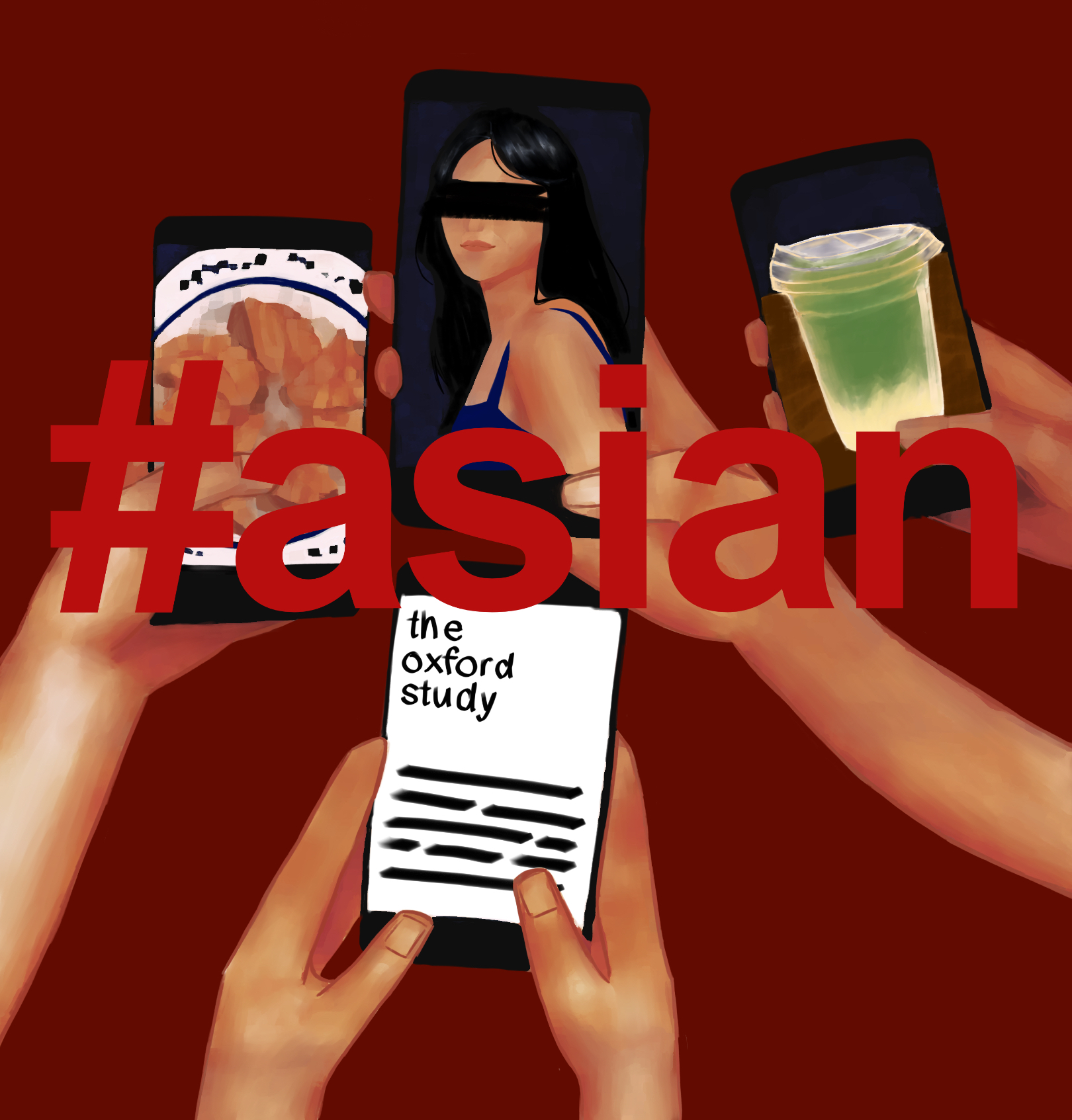
In early 2024, the Japanese drink, matcha, took TikTok by storm, influencing several trends. “MatchaTok,” the term for matcha-related posts, created an explosion of Asian visibility. As matcha became a household name, matcha shops suddenly began popping up across the country. The brand most famously connected to the spark was Marukyu Koyamaen. This heritage Kyoto brand was so popular that it announced its global matcha shortage in October 2024. As of 2026, a 20-gram tin is $55.
As Asian artists and Asian foods gained millions of online views, some in the Asian community felt uncomfortable with the sudden growth. They felt that, while their childhood was on display, the cultural side of the product was being erased to fit social media standards. Things that they were previously bullied for liking or eating became the newest and biggest thing.
“At first I was really excited that Asian people were finally getting the spotlight and recognition that we all deserve. Then I took a step back and looked at the bigger picture of why being Asian is trending right now,” Asian American influencer Fiona Leona said in a viral TikTok video. “I would appreciate it if there was some sort of appreciation for the culture, but there is just money being backed behind it.”
Many famous brands began jumping on the matcha “trend” as if to try to get their chance at this new money-maker drink. Even Jack in the Box, a fast-food franchise that has never shown interest in Asian food or culture and has no stores in the Asian market, released its Matcha Iced Latte and OREO Matcha Shake in February 2026. While exposure to old traditions like making and consuming matcha can be positive, the current trend takes the culture out of the drink and waters it down to fit Instagram.
A similar situation happened with the South Asian drink, chai–or tea. Traditional chai has a strong aroma of spices, or Masala, but the Western version completely neglects it. What makes this drink so special is not that it is tea, but the warm, comforting feeling the spices bring, which Starbucks and other non-Asian chains fail to capture. This turns the wonderful aroma into a palatable, diluted syrup. Foods that Asians were once teased for bringing to school are now premium products.
White influencer Courtney Cook went viral for her “new invention” of adding soy sauce, hot sauce, Kewpie mayo, and other Asian condiments to her dumplings wrapped in a sweet onion. Many began calling it “Courtney Cook’s new dumpling recipe” when these sauces have always been added to this specific dish. Asian cucumber salads and pork dumplings are being modified
and made more palatable for Western tastes, and sold back as new ideas. Renamed, styled, and marketed as chic snacks, they erase the original family rituals and regional differences. This is the difference between appreciation and appropriation. Western brands are claiming they are “inventing something new” when it has already been established for hundreds of years in Asian countries.
With this new boost of media exposure, negative Asian stereotypes are also becoming more prevalent on platforms like TikTok. For example, fake educational studies show what type of men Asian women are more likely to be in a romantic relationship with. The most notable “Oxford Study” is the idea that Asian women will statistically prefer what the internet deems an unconventionally attractive white man. This is just one example of this cookie-cutter stereotype. If this type of interracial couple posts together, their comment section is instantly flooded with “Typical Oxford Study” comments. This diminishes the relationship and highlights how society sees love as a stereotype, instead of just love.
If individuals recognize the cultural significance of these items, it can allow for true Asian culture to be celebrated and recognized. This allows Asians to prosper in their own communities and see correct representation in the media, without feeling the need to dampen themselves down for the Western audience. Visibility can empower, but it depends on who promotes it and how it’s presented. It is a new model for visibility that allows other people’s cultures to shine through, not just as a watered- down two-week trend.