
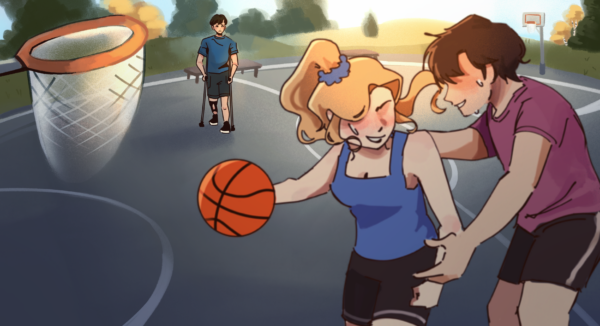
Story by Gavin Bartolome & Leighton Kwok Sports Editor, Staff Writer Illustration by Yumin KimStaff Illustrator Many athletes face injuries and try to expedite their recovery at the cost of long-term healing. ACL tears, fractures, and head traumas can be career-ending blows to an athlete’s career. While modern medicine has helped bring back many from the injured […]

Long-distance Relationships
Story by Leighton KwokStaff Writer Recently, I had the privilege of traveling to Seattle by myself to stay with my friend, Cali, short for Calista, for three days. During my time in Seattle, I began to reminisce about when Cali and I first met at a Freedom of Speech Conference in Washington, D.C. Even though it […]
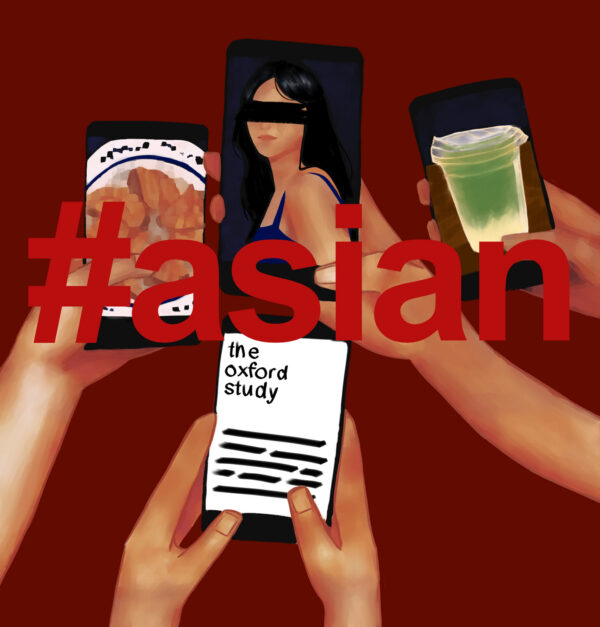
The over-trendification of Asian culture and customs
Story by Leighton KwokStaff Writer Illustration by Harper RentmeesterStaff Illustrator Asian culture cannot be a commodity to be bought and sold on the internet. In early 2024, the Japanese drink, matcha, took TikTok by storm, influencing several trends. “MatchaTok,” the term for matcha-related posts, created an explosion of Asian visibility. As matcha became a household name, matcha […]

Gen Z’s voting era has just begun
Story by Leighton KwokStaff Writer Illustration by Sage ChangStaff Illustrator The Gen Z Vote could create a turning point in American Politics The United States of America was built on the idea that life, liberty, and the pursuit of happiness would be easier for generations to come. The Founding Fathers established the complex US voting system so […]
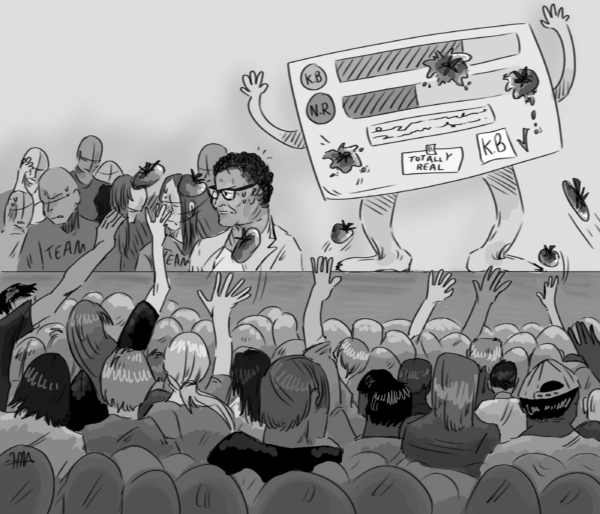
Karen Bass’s campaign releases fraudulent data
Karen Bass and Median Strategies spread false poll data online as a social experiment.

The never-ending death and revival of literature
Story by Ethan KwakStaff Writer Illustration by Lanah KimDesign Editor The chasm has never been more distinct between those who “care” about literature and those who do not. This can be traced back to the sensibilities developed by the “L=A=N=G=U=A=G=E” poetry movement of the 1960s. These poets resisted the Confessional tradition by focusing on the materiality of […]

Duck syndrome and students’ secret struggles
Picture a duck swimming in a pond: On the surface, the duck glides smoothly over the water. Below the surface, the duck is kicking furiously to stay afloat. Duck syndrome is a feeling experienced by individuals based on their own belief that their peers are near-effortlessly successful, the individual must work furiously to keep up with their peers, and the individual must hide how much they are struggling based on the self-belief that it should not be this hard for them.

Tips for the college application process, from the Class of 2026 seniors
Tiger interviewed some of this year’s seniors for their best advice regarding the college application process. However, keep in mind that everyone has a unique experience. This Center spread is a guideline put together from what seniors said, but it is by no means a definitive timeline or a list that fits everyone. Use it as a guide, but not as an instruction set.

Pro/Con: When friendship and politics meet
Tiger examines whether one can be friends with someone they fundamentally disagree with.

First Amendment auditors seek attention, not education
Excerpted from Tiger’s 2026 January print issue.

SPHS musicians are finding their tune
Appearing in our 2026 January print issue, Tiger highlights student musicians on SPHS campus.

SPHS’s cheating problem, and what students have to say
Tiger aimed to answer the question of why students cheat and how they get away with it. Through a Google Form survey that received approximately 350 responses, or about a quarter of the school student population, and through interviews with students of all grade levels, Tiger found that, contrary to teacher belief, a large percentage of SPHS students do cheat for reasons explained in this center spread.

Charlie Kirk and the rise of political violence
In the wake of the assassination of right-wing political activist Charlie Kirk, Tiger examines political violence in America and the reaction it garners.

TAAGLAA: 626 Night Market
Tiger explored new flavors, cultures, and experiences at the 626 Night Market in Arcadia. The market is one of the largest Asian-inspired festivals in the Los Angeles Area.

The performative man epidemic and male desperation
Performative men poorly attempt to embody certain traits, many of which are feminist, in an attempt to garner attention from women.

Freshmen travel to Japan with club baseball team
Team members primarily advocated for the summer trip as a means of visiting two former teammates who had recently moved to Japan.