
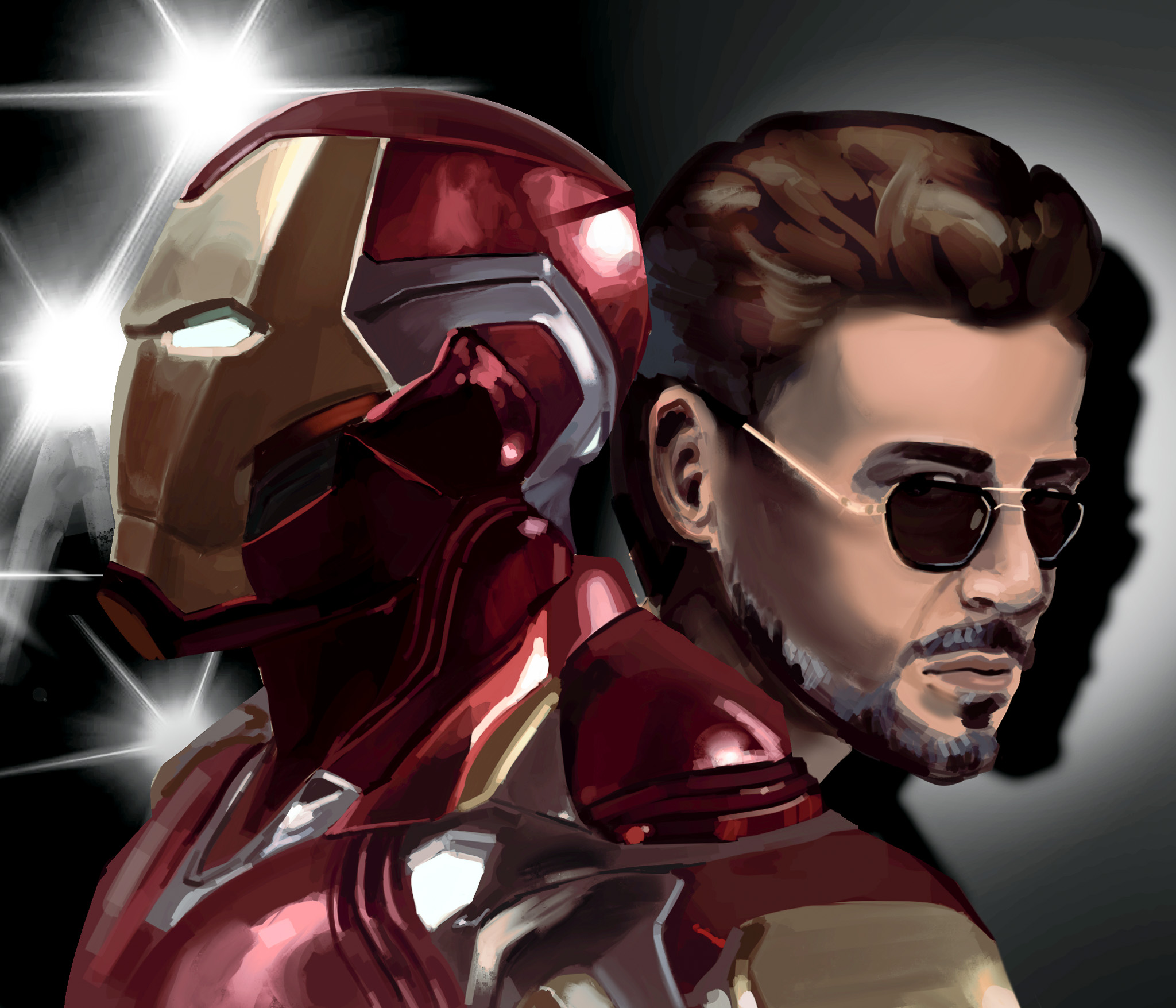
Story by Ella Apisakkul
Staff Writer
Photo by Yumin Kim
Staff Illustrator
Whether it is through supernatural abilities or connections with those of high authority, people are drawn to heroes because of their protagonist positions and the perspectives that many stories are told from. However, this can lead to people praising heroes to an extreme that overlooks their problematic traits.
“I think that a lot of the times their personal lives get overlooked, and so it makes it seem like they have no issues when really they do. People don’t look at those because they’re focused on all of the good traits,” sophomore Victoria MacRae-Serpa said.
Iron Man is a prime example of this. Iron Man is one of the most beloved characters in the Marvel Cinematic Universe. But, he is depicted to be a selfish, egotistical alcoholic who makes reckless and impulsive decisions and then refuses to take the blame or own up to his actions. Yet somehow his intelligence and cool armor cam make those flaws completely forgotten to some viewers. In fact, according to an article by “Screen Rant,” Stan Lee created Iron Man to be “completely unlikeable.” Stan Lee intentionally gave Iron Man these toxic characteristics, but the hero still became a prime symbol of heroism. This goes to show how society makes heroes’ flaws seem acceptable because of their liking for their heroic traits.
The supremacy of heroes despite their problematic traits is something that can also be applied to real world figures; Elon Musk, for one. Despite his favorability dropping heavily in the beginning of 2025 according to “Silver Bulletin,” nearly 40 percent of the population supports Musk. He has done terrible things like tweet sexist, misogynistic, and inappropriate content and created working conditions so bad that his factory has been called the “modern-day sweatshop.” Yet somehow people still find reasons to praise him and overlook his horrendous doings because of the power he holds in this world and his revolutionary inventions like Tesla and SpaceX that are not even products of his own intelligence; they are inventions he took credit for.
Some may argue that heroes are fictional characters and they save lives, which makes it acceptable to praise them. In truth, there is no harm in favoring or relating to a character even if they have problematic traits. Likeable characters will most likely have flaws because viewers are able to relate to them. However, putting problematic heroes on a pedestal and building a supremacy off of them is not the same. It is one thing to like a character and another thing to praise them. By praising these problematic heroes, it creates the effect that the things they do are okay to be overlooked and maybe even acceptable. It is best to praise the good, and accept the bad.
People often overlook the red flags in heroes they idolize. Power, perspective, and protagonism all play key roles in shaping how people perceive and feel about the characters we view. But a hero’s heroic actions cannot cover up the toxic traits they may have. It is unethical to put heroes on a pedestal while ignoring their problematic traits because it is something not only done with fictional characters, but with real people too.