
Story by Maxine Messineo
Staff Writer
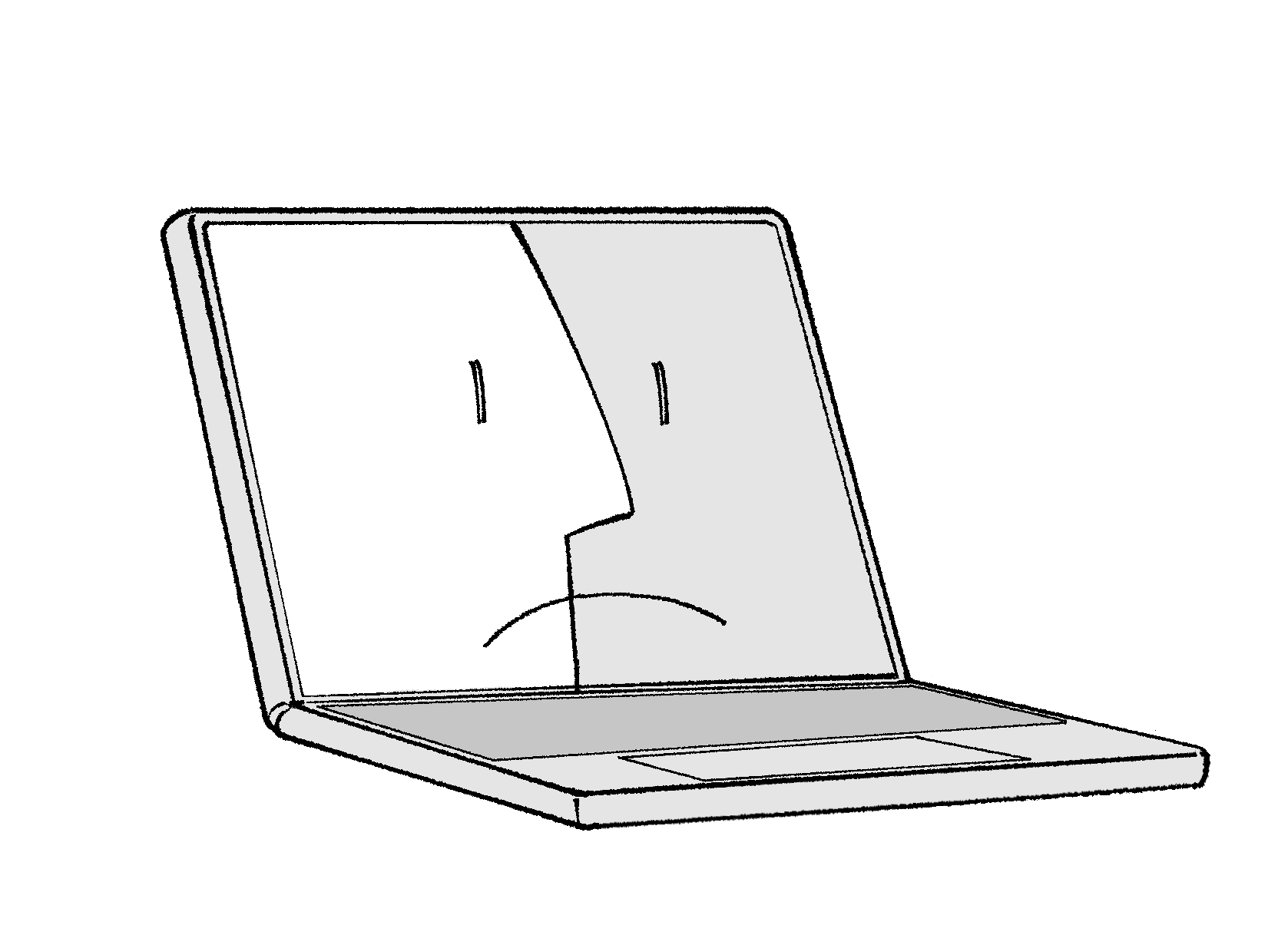
Illustration by Lanah Kim
Staff Illustrator
The LAUSD “Using Technology with Intention” resolution includes an all-day restriction of cell phones, smartwatches, camera glasses, or earbuds during the entire school day, including lunch and passing periods. Each campus affected by the policy chooses its own method of enforcing it, including using class storage holders or magnetically sealed pouches. This policy, though implemented across LAUSD for a reason, will not address issues across the district directly. Instead, it significantly reduces the amount of freedom students have during the school day, and it should not be implemented.
Along with the LAUSD policy, there is also a local push for phones and other personal devices to be banned from school entirely. Touch Grass South Pas, a parent-led organization that supports the LAUSD “Using Technology with Intention” resolution, pushes for paper and pencils to be the primary classroom resources, and additional technology limitations across the middle and high school.
A new technology policy, if enacted, should not entail such strict policing. Personal devices play an important role in schools and can benefit students’ education. If an emergency occurs during school, students are able to contact parents or guardians easily for assistance or information.
Beyond communication, phones and personal computers are beneficial as quick research tools and calculators. They also provide students with access to school-related apps, such as Slack, Google Classroom, and College Board, when school-issued devices are not available, or personal accounts must be used.
The use of personal devices is also crucial for students to learn how to use technology safely and efficiently, which is an essential skill. Technology, an important part of both the future and present, is constantly being integrated into schools across the world. Policing it so heavily sets the schools in the district affected by the policy back.
While there are benefits to using technology in the classroom, there are also drawbacks, and valid reasons as to why the policy has been put in place across LAUSD. Distractions such as notifications, games, and social media can pull students’ attention away from learning, which can harm their grades.
Cyberbullying, which can cause mental health issues, has also been on the rise with more young people having unrestricted access to the internet and social media platforms. Social skills and attention spans have taken a hit due to constant phone use, such as “doomscrolling,” which is a habit of spending excessive amounts of time reading or scrolling through social media content.
While issues pertaining to social media use and excessive time online are pressing, they will not be fully resolved with a strict ban on phones at school. The ban may decrease the amount of time spent online, but it will not change screen habits or address real problems in schools, such as offline bullying or low grades.
The current policy at SPHS states that, during instructional time, personal devices must be turned off and stored in the designated phone storage holders, but may be used during brunch, lunch, and passing periods.
Despite the issues that may arise due to immoderate screen time, such as cyberbullying or lowered attention spans, the current policy for phones at SPHS should be kept in place. Its balance of removing distractions in the classroom still allows students some freedom outside of the classroom.