
Most sports, while seeming simple, can have complex hardships not seen by many.
Story by Hung Gwan Lau
Staff Writer
Illustration by Shyla Drake & Yumin Kim
Staff Illustrators
From the stands, sports can look pretty cut and dry. The audience will see touchdowns, goals, and points being won, but rarely do they see the exhaustion and the mental pressure behind the scenes. Every sport has challenges, and some of the hardest parts about being an athlete happens when nobody is watching.
For cross country runners, the physical strain of repeated training can become difficult to manage. Junior Isaiah Tanagho, a cross country runner for three years, described the weekly hill workouts as “tortured” and the weight room sessions following runs as “a pain”. Doing these runs week-after-week will eventually pile on to one of the biggest challenges runners face: chronic injuries.
“If you have an injury, then the only way to really train is running, and you can’t train because you’re injured,” Tanagho said.
When an athlete of another sport gets injured, they can practice skills that can maneuver around the injured area. Injured runners, however, have very limited ways to maintain their performance without running, especially when it is important to keep endurance up by staying active regularly.
Water polo presents another challenge spectators might not see. Junior Matthew Butler, a varsity player, training since eighth grade, explained that since players are not allowed to touch the bottom of the pool during games, they have to constantly swim, or tread water. Players also experience lots of foul play that goes under the radar due to it all being under the water.
“There’s never a moment where you’re resting if you’re playing, it’s constant,” Butler said.
The physical demands go unnoticed by spectators, treading water for 30-40 minutes a game piles on top of the physicality of the sport.
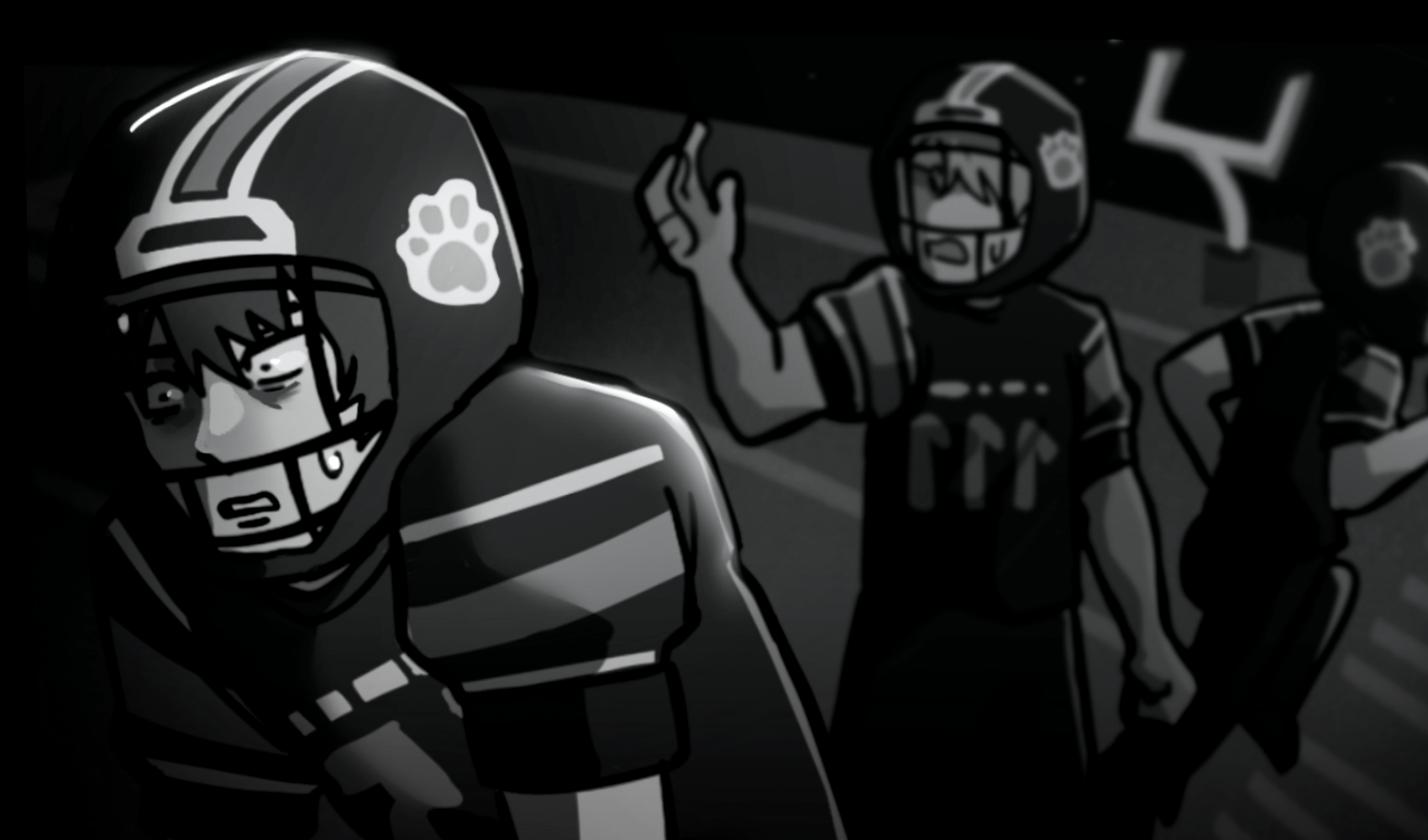
Football players often face similar physical challenges, not so much on the amount of stamina, but the sports emphasis on contact. Junior Jacob Yu, who has been playing football for three years, said the season already wears players down before the school year even starts through summer practices and non-stop practices for months.
“Sometimes I just wish it could end,” Yu said
In tennis, the challenges aren’t so much physical, but mental. Junior Deborah Chong, a tennis player of six years, described the immense pressure of a deuce, where the next point can determine the outcome of a game.
“When you’re at deuce, and the next point decides the game, it’s really stressful, because if you mess up, it’s over,” Chong said.
Beyond the pressure of performance, tennis players face the challenge of making line calls, balancing honesty and integrity with the desire to win, it creates tension between players with misjudged calls.
“When the ball bounces right on the line, and you don’t know if it’s in or out, that’s the worst,” Chong said.
Volleyball players face a different mental struggle to tennis however, which is learning to accept mistakes quickly. Players must learn to recover quickly after an error, instead of dwelling on what went wrong.
Junior Kayla Yau, a volleyball player of six years, said she thought every mistake meant the worst when she first started playing.
“I felt that if I made a mistake, I was doing something really wrong. I would start spiraling and spiraling,” Yau said.
Because these points happen so quickly, players cannot afford to dwell. Yau mentions how coaches often help players mentally reset by telling them to “move on” or have a “goldfish memory” to forget their mistakes.